
Clean, good-tasting water makes everyday tasks a little more enjoyable, from filling a glass at the kitchen sink to preparing meals for the family. If you are considering a water purifier for home, Purest Solutions offers residential filtration options designed around different household needs.

From filtered drinking water to filtration across multiple household outlets, choosing the right setup starts with understanding your water supply, how you use it and what you want your filtration system to address.

Find the Right Water Purification System for Your Home

Not every household needs the same type of filtration. Some families want filtered water directly from a dedicated kitchen tap, while others prefer a system connected to the incoming water supply.

A home water purifier system can be selected according to your property’s plumbing, available installation space and everyday water requirements. Understanding these differences helps you choose a system that fits naturally into your home.

What Type of Water Purifier Do You Need?

Purest Solutions offers residential filtration options for different applications. Here is how the main configurations differ.

1. Whole-Home Water Filtration

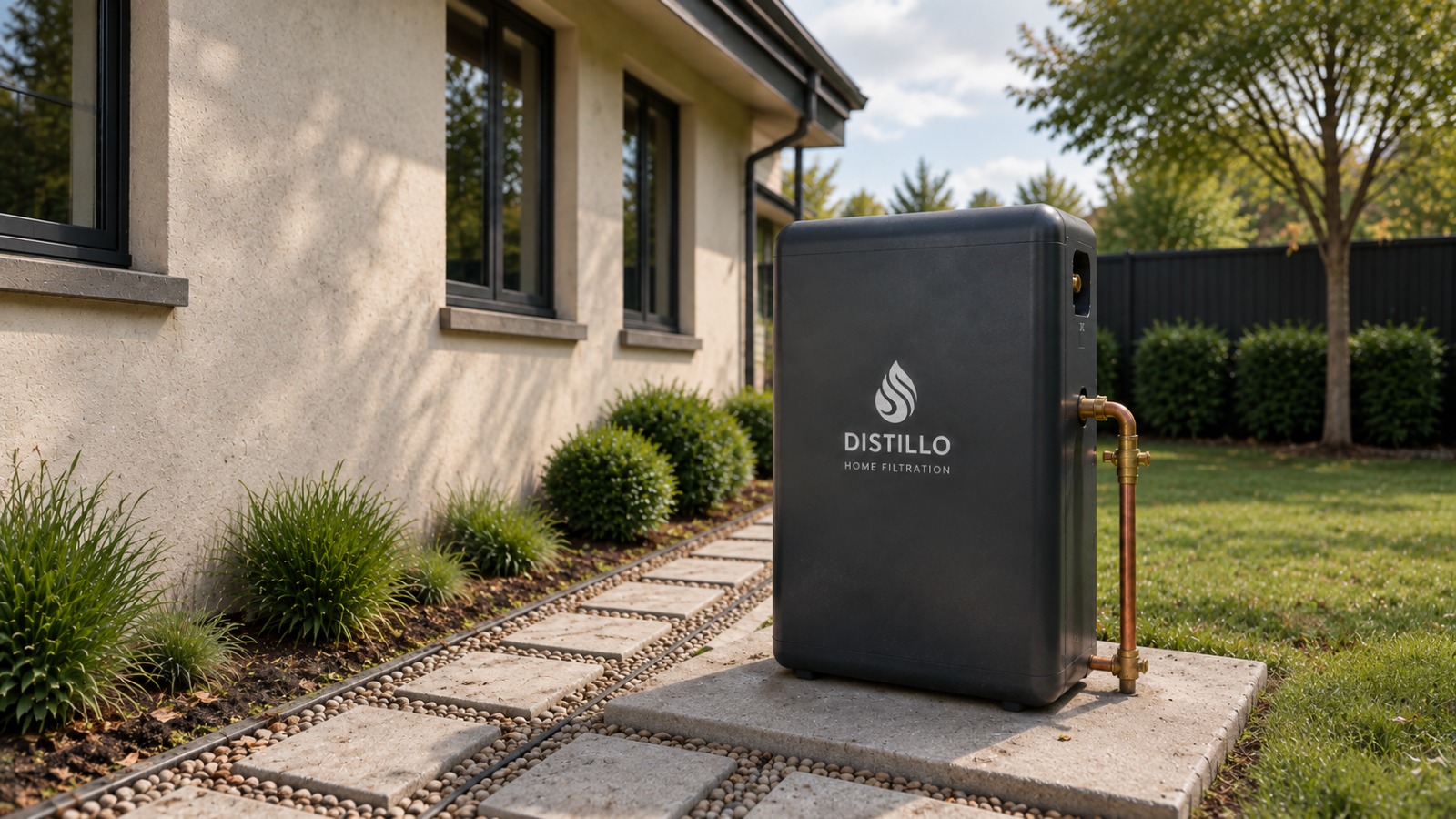
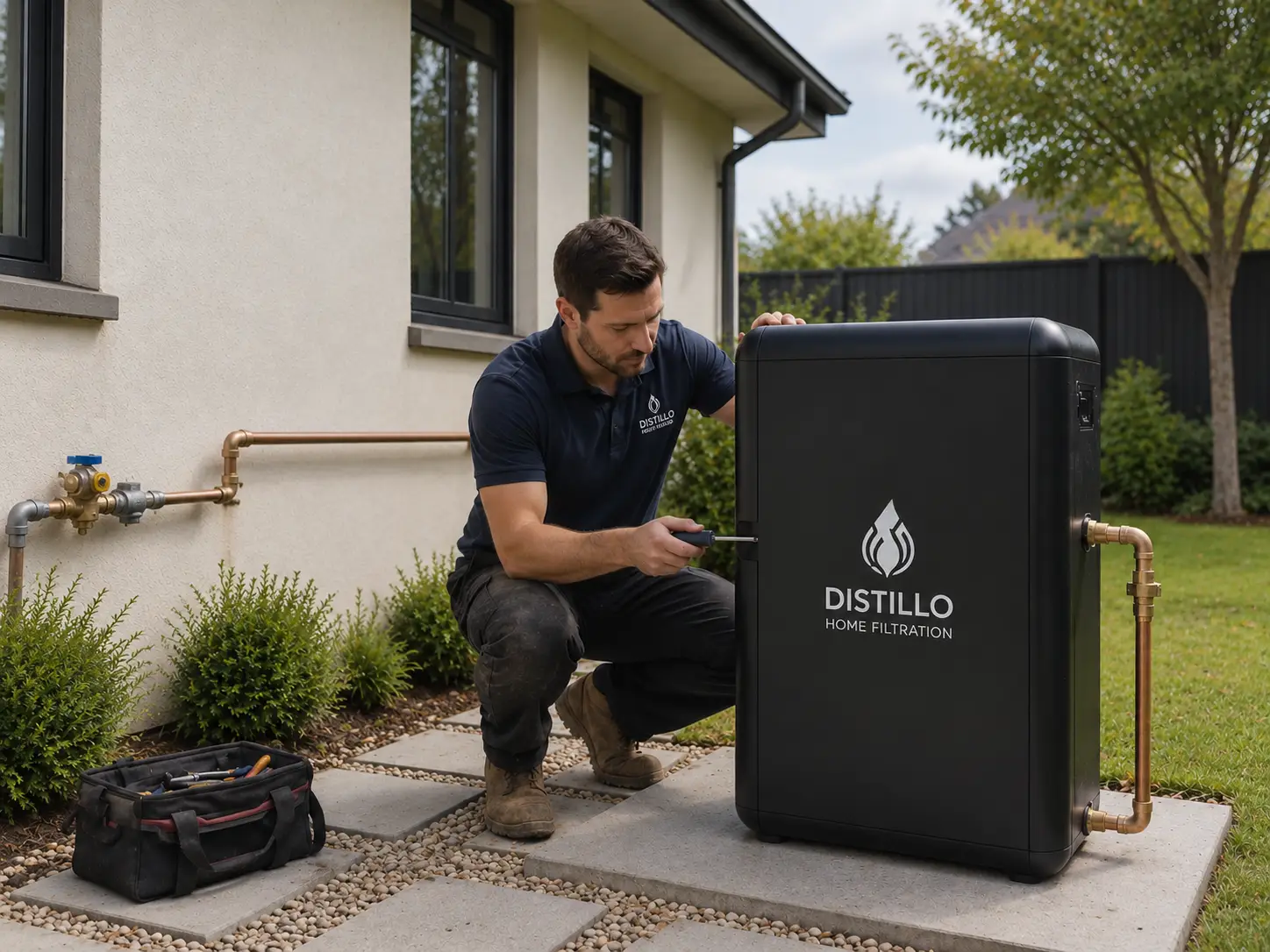
A whole home water purifier system is installed at the point where water enters the property, allowing the incoming supply to pass through the filtration system before reaching household outlets.

  • Coverage: Designed to supply multiple household outlets.
  • Installation: Connected to the incoming water line.
  • Suitable for: Households looking for filtration beyond a single drinking-water tap.

2. Reverse Osmosis Drinking-Water Filtration

A reverse osmosis system is a point-of-use option designed for drinking and cooking water. Purest's five-stage RO system incorporates several filtration stages, including a dedicated RO membrane.

  • Coverage: A designated drinking-water outlet.
  • Installation: Typically located beneath the kitchen sink.
  • Suitable for: Households seeking a dedicated drinking-water filtration setup.

3. Filtered Tap Systems

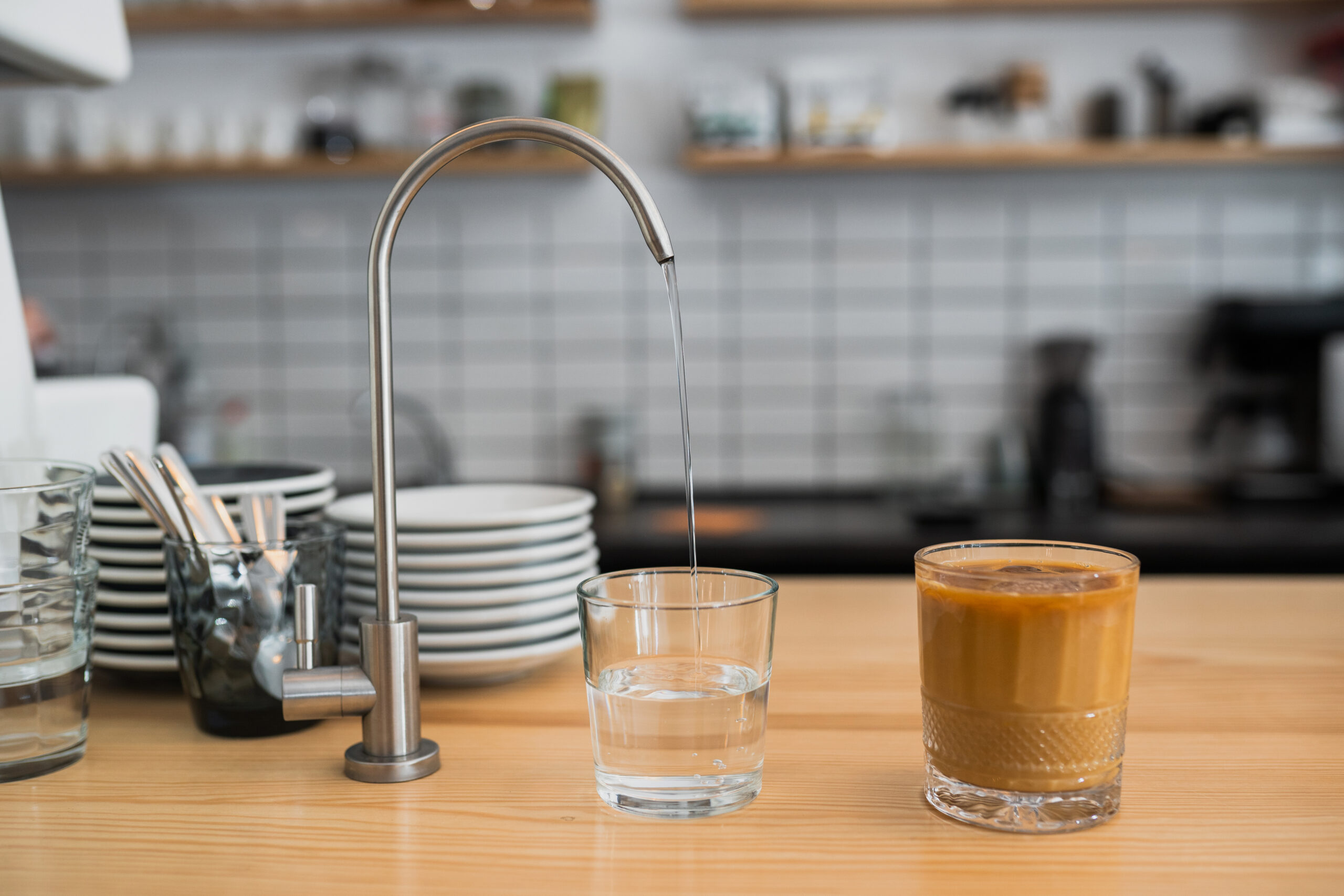
A filtered tap system provides filtered water through a dedicated or integrated kitchen tap, depending on the selected configuration.
  • Coverage: The connected tap.
  • Installation: Depends on the tap and filtration configuration.
  • Suitable for: People who want convenient access to filtered water while preparing drinks and meals.

1. Whole-Home Water Filtration

A whole home water purifier system is installed at the point where water enters the property, allowing the incoming supply to pass through the filtration system before reaching household outlets.

  • Coverage: Designed to supply multiple household outlets.
  • Installation: Connected to the incoming water line.
  • Suitable for: Households looking for filtration beyond a single drinking-water tap.

2. Reverse Osmosis Drinking-Water Filtration

A reverse osmosis system is a point-of-use option designed for drinking and cooking water. Purest’s five-stage RO system incorporates several filtration stages, including a dedicated RO membrane.
  • Coverage: A designated drinking-water outlet.
  • Installation: Typically located beneath the kitchen sink.
  • Suitable for: Households seeking a dedicated drinking-water filtration setup.

3. Filtered Tap Systems

A filtered tap system provides filtered water through a dedicated or integrated kitchen tap, depending on the selected configuration.
  • Coverage: The connected tap.
  • Installation: Depends on the tap and filtration configuration.
  • Suitable for: People who want convenient access to filtered water while preparing drinks and meals.

Understanding Water Purification in the Home

The first step in water purification in home planning is understanding what you want to achieve. Water can vary in taste, mineral content and other characteristics depending on its source and local supply conditions.

A suitable water purification system should be selected according to those conditions rather than simply choosing the system with the most filtration stages. The intended use of the water also matters.

What Should You Consider Before Buying?

Choosing a water purification system starts with understanding your household’s water supply and daily needs. Before settling on a system, consider the following factors to help you find a suitable option for your home.
Water quality

Water quality: Consider any concerns about taste, odour, sediment or other substances that may require filtration.

Household size

Household size: Think about how many people will use the system and their typical water consumption.

Installation space: Check whether you have room beneath the kitchen sink or near the property’s incoming water supply.

Water usage: Consider whether you primarily need drinking water or filtration across multiple outlets.

Maintenance: Understand the filter replacement requirements and ongoing servicing needs.

Whole-Home Filtration Vs Drinking-Water Purification

A water purifier whole house setup and an under-sink RO system serve different purposes. One treats the incoming household supply, while the other focuses on a dedicated drinking-water outlet.
Feature Whole-Home Filtration Five-Stage RO
Installation Point-of-entry Point-of-use
Coverage Multiple household outlets Dedicated drinking-water outlet
Main purpose Filtration across the household supply Drinking and cooking water
RO membrane No Yes
Standard capacity 3400 LPH at 60 psi 50 GPD
Available options Whole-home filtration configuration 75 GPD and 100 GPD membrane options
A water purification system for whole house use is not a substitute for every type of drinking-water filtration. Where a household has specific drinking-water requirements, a separate RO system may be considered.

Benefits of Choosing the Right Home Filtration Setup

Everyday Convenience

Having a filtration system connected to the relevant water supply can make filtered water easier to access during daily routines.

✓

Drinking and cooking: A dedicated filtered tap can provide convenient access to water for beverages and meal preparation.

✓

Household coverage: Point-of-entry filtration is designed to serve multiple outlets rather than just one tap.

✓

Kitchen integration: Under-sink configurations keep filtration equipment out of the main kitchen workspace.

A More Considered Approach to Water Quality

Choosing a filtration system based on your water conditions helps keep the decision practical.

✓

Address specific concerns: Select filtration according to the substances you want the system to reduce.

✓

Understand the technology: Different filtration stages have different functions, so check what the selected configuration includes.

✓

Plan for maintenance: Factor in replacement filters and servicing when comparing available systems.

Why Choose Distillo?

Distillo brings together residential filtration options for households looking to improve how they access filtered water.

Whole-home filtration:

Explore a whole house water purifier configuration designed for filtration across multiple household outlets.

Dedicated drinking-water filtration

Consider Distillo's five-stage RO system for a designated drinking-water outlet.

Defined product specifications

Review operating limits, membrane options and filtration stages before choosing a system.

Residential applications

Compare filtration configurations according to your household's water usage and installation requirements.

Practical system selection

Distillo's different filtration approaches allow you to consider whether your priority is household coverage or drinking-water filtration.

Find a Water Purifier That Fits Your Home

When choosing a water purifier in Australia, consider your household’s water quality, daily usage and installation requirements. Distillo offers residential filtration options, including whole-home filtration and a five-stage reverse osmosis system for drinking and cooking water. Understanding these differences can help you identify a configuration that suits your property.

Explore Distillo’s water filtration solutions to find an option that fits your household’s needs. For assistance with system selection, installation requirements or product specifications, contact the team at 1300 541 644 or email sales@distillo.com.au

QUESTIONS

FAQs

Everything you need to know about bringing whole home filtration to your Melbourne home.

What type of water purifier is suitable for a home?

The right water purifier for home depends on your water quality and household needs. Distillo offers whole-home filtration for multiple outlets and reverse osmosis (RO) systems for drinking and cooking water.

A whole home water purifier system is installed at the point where water enters your property, helping filter water supplied to multiple outlets, such as kitchen taps, bathrooms and laundry areas.

A water purification system for whole house treats water entering your home, while a reverse osmosis system is installed under the sink to provide filtered water for drinking and cooking.

A reverse osmosis system uses multiple filtration stages, including an RO membrane, to reduce dissolved solids and other impurities. Distillo’s water purifier systems for drinking are designed for point-of-use installation, typically beneath the kitchen sink.

Filter replacement frequency depends on the system, water quality and household usage. For a water purification system, follow the recommended maintenance schedule and check filters regularly to help keep the system operating as intended.

A water purifier for whole house can help reduce sediment such as sand, dirt and rust, along with chlorine and substances that affect water taste and odour. The filtration provided depends on the system and the water quality.

A whole house water purifier system filters water supplied to multiple outlets around your home. For dedicated drinking and cooking water, Distillo also offers an under-sink reverse osmosis system designed for point-of-use filtration.

When choosing a home water purifier system, consider your water quality concerns, household usage and whether you want filtration across multiple outlets or specifically for drinking and cooking water. These factors can help you identify the type of system suited to your needs.